
Supporting Young Researchers at Young EMERG Vienna Workshop
- Through the Young EMERG network, established by Invest in ME Research, the charity continues to build awareness and provide opportunities for emerging researchers
- In addition to supporting Young EMERG committee members, grants were awarded to young European researchers to attend the Young EMERG International ME Workshop in Vienna, enabling full engagement in the workshop at the Medical University of Vienna
- The charity’s ongoing efforts to promote and develop ME research capacity are part of almost two decades of commitment to collaborative research
- Awardees shared their experiences for our supporters, highlighting the importance of advancing ME research

Feedback from Young EMERG Vienna Workshop 2025
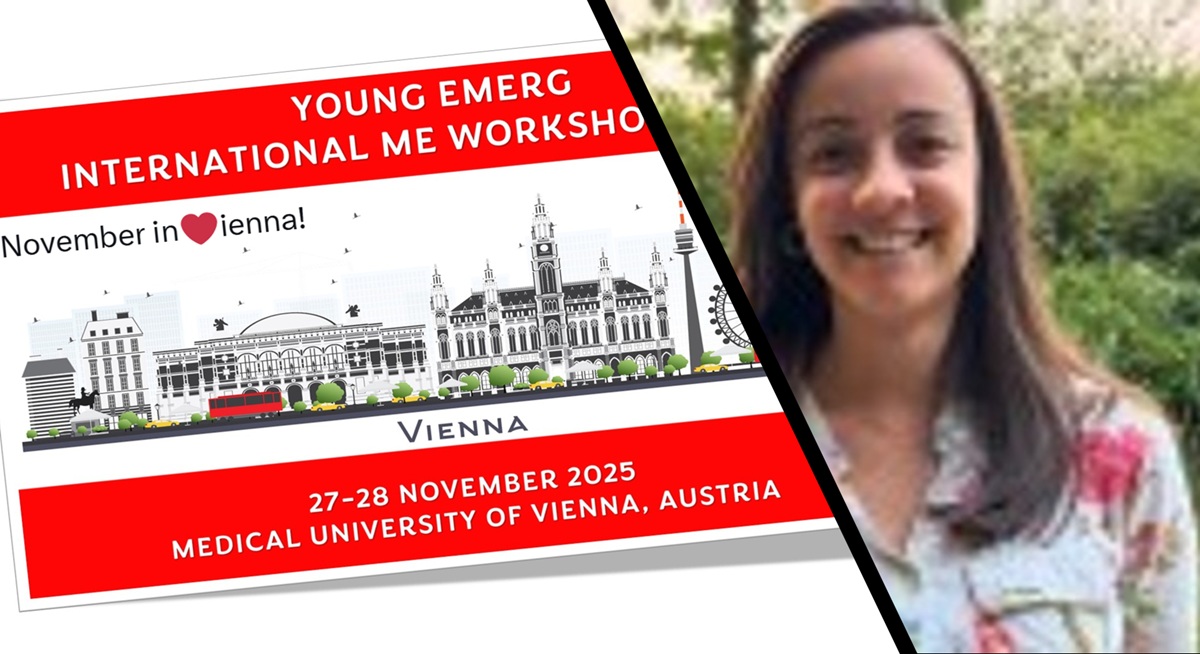

“The Young EMERG workshop in Vienna was exceptionally well organised, with engaging and relevant content throughout. It was inspiring to see young researchers exploring diverse approaches to ME/CFS. The programme was enriched by activities and the chance to connect with fellow researchers. My expectations were high, yet the workshop exceeded them.
I am deeply grateful to the UK charity Invest in ME Research for supporting my participation.”
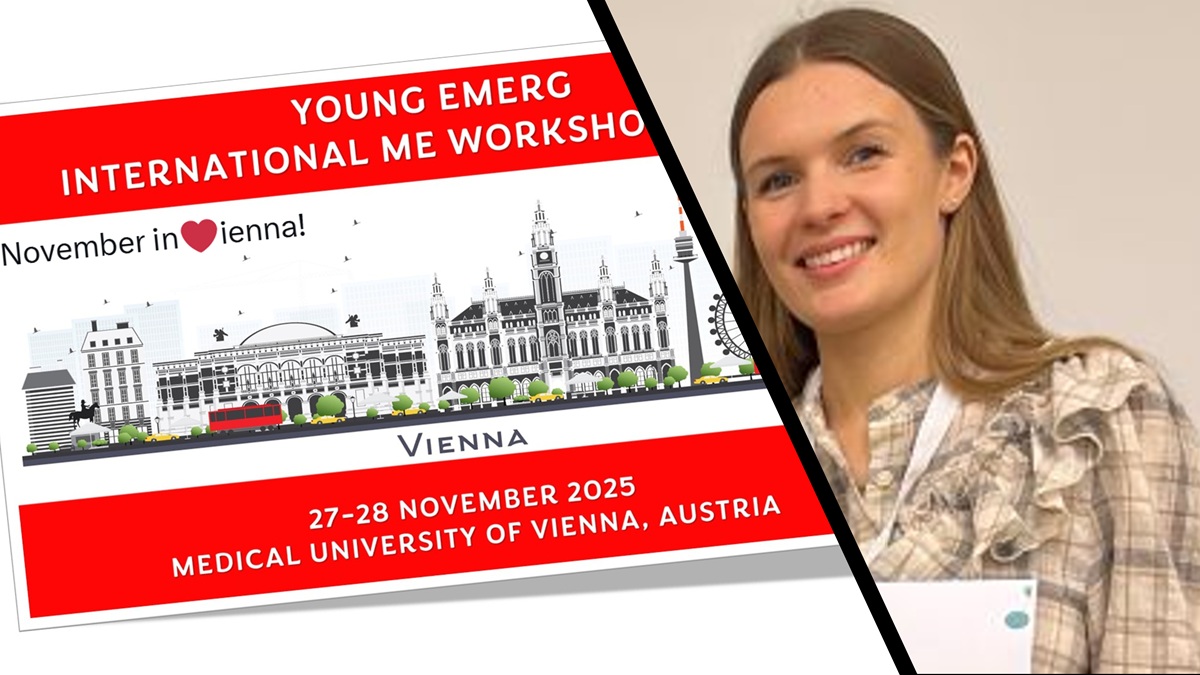
Participating in the Young EMERG Workshop in Vienna was an absolutely exceptional and deeply inspiring experience for me. From the very beginning, I felt that the workshops were prepared with great attention to every detail, both in terms of academic content and organization. Everything was executed at the highest level, which allowed me to fully focus on learning, exchanging experiences, and personal development.
The atmosphere throughout the workshop was incredibly supportive, open, and motivating. I truly felt part of an engaged, ambitious, and kind community of young people who share a passion for learning and continuous self-improvement. The energy was very uplifting and gave me a great deal of motivation to move forward and keep developing.
T he lecturers made a particularly strong impression on me. Their expertise, experience, openness, and genuine commitment to working with participants were truly inspiring. The way they delivered the content was engaging, accessible, and thought-provoking. I often found myself reflecting deeply on the topics discussed, as they challenged my perspective and encouraged me to ask important questions about my future development, both professionally and personally.
The Young EMERG Workshop Vienna was much more than just a series of workshops for me. It was a true impulse for growth, reflection, and further action. I am extremely grateful for the opportunity to participate in this event, and I can confidently say that it was one of the most valuable educational experiences I have ever had.
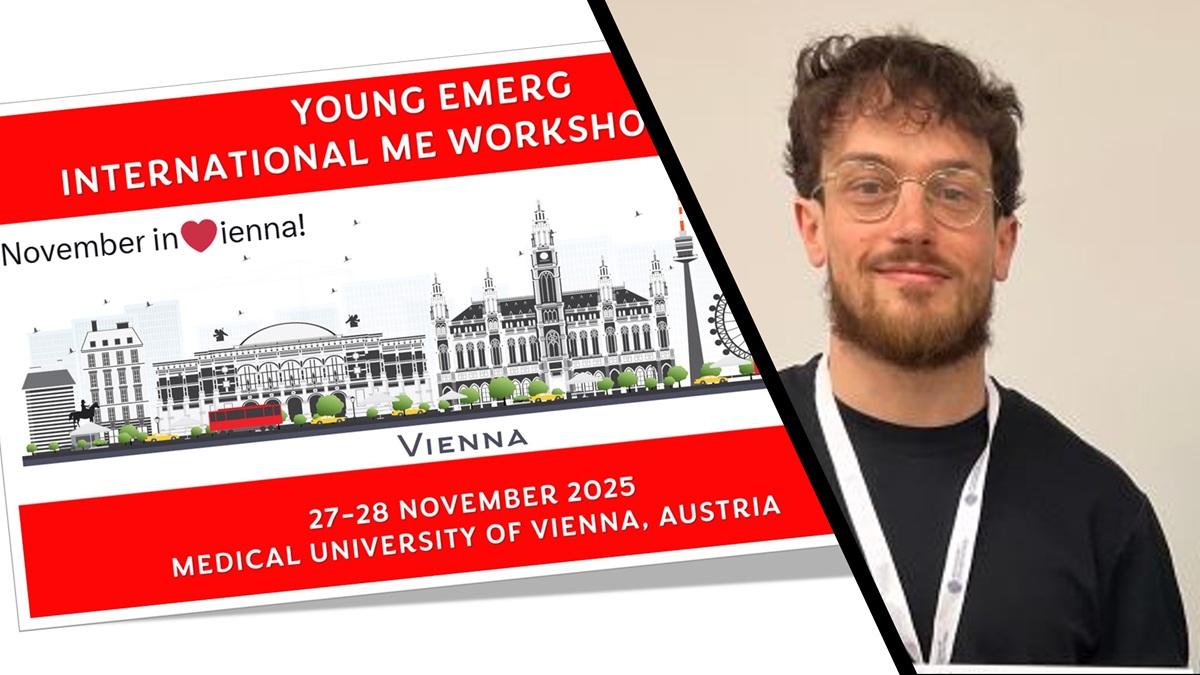
I recently received a travel grant from Invest in ME Research to attend the Young EMERG workshop in Vienna, where I presented our upcoming project aimed at better characterising the mechanisms underlying post-exertional malaise (PEM). This project will use non-invasive metabolic imaging techniques to investigate muscle metabolic alterations during PEM.
Attending the Young EMERG workshop provided an excellent opportunity to gain a comprehensive overview of current research directions and priorities within the ME/CFS field. As with fatigue symptoms in other chronic conditions, the aetiology of ME/CFS is complex and multifactorial, requiring multidisciplinary approaches to identify underlying mechanisms and inform the development and testing of treatment targets.
The workshop showcased a broad range of ongoing research, with presentations spanning health economics, immunology, metabolism, and other relevant disciplines. I found it particularly valuable to learn about current initiatives aimed at strengthening collaboration within the field, including funding opportunities for visiting fellowships designed to support cross-institutional partnerships. Such collaborations will be essential for accelerating progress in ME/CFS research.
As a result of this experience, we have identified potential external research collaborators and aim to continue developing and applying metabolic imaging approaches to better characterise the mechanisms contributing to fatigue in ME/CFS. Ultimately, we plan to integrate these novel techniques into future study protocols to enhance mechanistic understanding and to provide objective measures of organ function and metabolism when assessing responses to management strategies and pharmacological interventions.