
Policymakers/Media
It is important for policymakers, the media and even the public at large to understand what myalgic encephalomyelitis is.
Following decades of misinformation - often propagated by flawed healthcare agencies and
the flawed research funded by national agencies - there has been a great deal of work over the last two decades
to present a more accurate picture of what ME is.
This page uses information from the charity's web site
to better understand myalgic encephalomyelitis (ME).
IiMER Policy Brief


Key Facts on Myalgic Encephalomyelitis
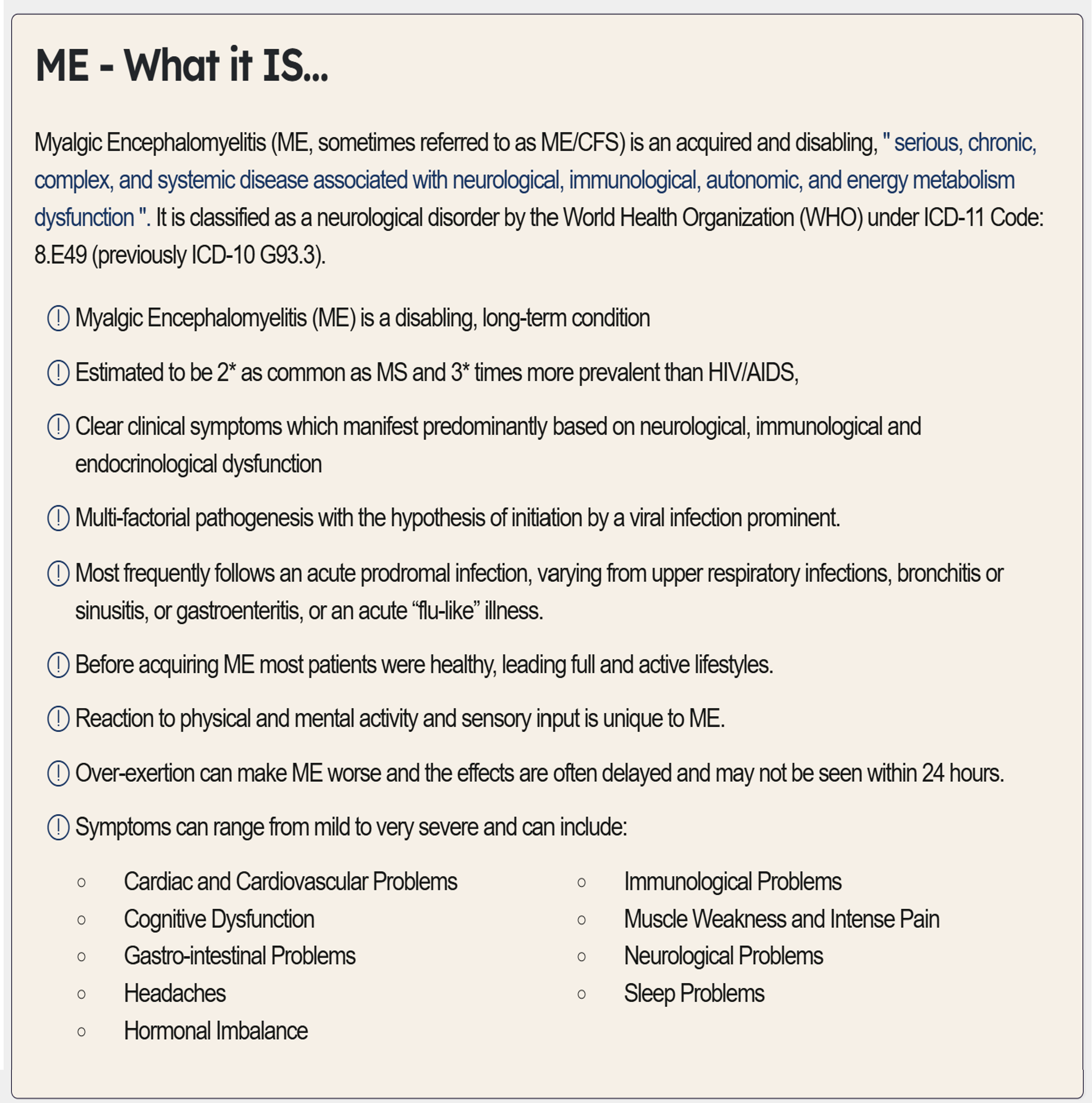
- Myalgic Encephalomyelitis : (ME, sometimes referred to as ME/CFS) - a serious, long-term neurological disease affecting ~400,000+ people in the UK
- WHO Classification: Neurological disorder – ICD-10 (G93.3), ICD-11 (8E49) postviral fatigue syndrome
- Biomedical Reality: Immune dysfunction, autonomic dysregulation, energy metabolism abnormalities, exertion intolerance – not psychological
- Core Symptom – PEM: Post-exertional malaise where minor physical/cognitive/emotional activity triggers delayed, prolonged symptom worsening
- Common Symptoms: Cognitive dysfunction ("brain fog"), unrefreshing sleep, pain, orthostatic intolerance, extreme unrelieved fatigue
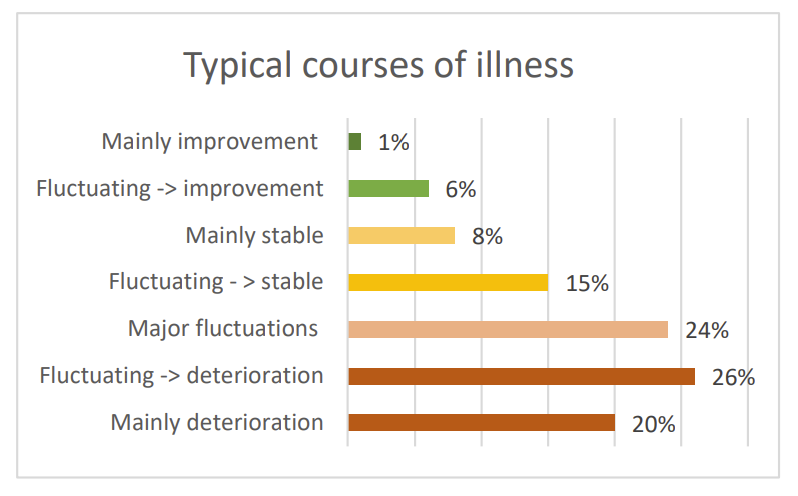
- Severity: Significant/severe disability, loss of independence for many patients
- Recognition Gap: Under-diagnosed/under-recognised and under-researched across health/education/social care; long delays, limited specialist access
- NICE NG193 (2021): Rejects GET/CBT as curative; mandates pacing, energy management, personalised support
- Research Priority: Immune dysregulation, viral triggers, autonomic dysfunction, impaired energy metabolism need urgent study
- Historical Context: Decades misclassified as psychological despite clear multisystem biological evidence
- Economic costs: Estimates from £4-7 billion annually
Quick reference
- 400k + UK cases
- £4-7B annual cost
- ICD-11 (8E49) WHO code
Impact on Individuals and Families
The impact of Myalgic Encephalomyelitis (ME) on individuals and families is profound and enduring, and it is essential that policymakers, the media, and the public approach this condition with accuracy, sensitivity, and respect.
Impact on daily life
ME can cause severe disability, limiting or completely preventing a person's ability to study, work, or carry out everyday activities such as eating, showering, or getting out of bed.
Symptoms such as overwhelming fatigue, pain, cognitive dysfunction ("brain fog"), sensory sensitivities, and post-exertional symptom exacerbation mean that even minor exertion can lead to a serious and prolonged deterioration in health.
Effects on families and relationships
Families frequently have to reorganise their lives around the needs of the person with ME, with partners, parents, or children often acting as unpaid carers.
This can lead to emotional strain, exhaustion, and financial pressure within the household, as well as grief for the loss of previous roles, independence, and shared activities.
Emotional and social consequences
People with ME often experience social isolation due to reduced mobility, limited energy, and misunderstanding of the illness, including stigma or disbelief.
This isolation, combined with uncertainty about prognosis and lack of effective treatments, can contribute to anxiety, low mood, and a sense of abandonment by services.
Educational and employment impact
Many adults with ME are unable to maintain employment or can only work reduced hours, leading to loss of income, job insecurity, and reliance on benefits.
Children and young people may miss long periods of schooling or require home or flexible education, which can affect qualifications, social development, and future opportunities.
Economic and system-wide burden
The economic burden of ME is substantial, with costs arising from lost productivity, informal care, and repeated healthcare contacts, estimated in studies to reach billions when considered at population level.
Under-recognition and under-diagnosis of ME can lead to inappropriate management, unnecessary investigations, and avoidable deterioration, placing further pressure on families, education systems, social care, and health services.
Quick reference
- 6yr diagnosis delay
- 400,000 carers
- 0% bedbound peaks
- Employment loss
Links:
Research
Years of experience forced us to acknowledge that waiting and expecting others to act or assemble the appropriate building blocks for progress in understanding and treating ME with any sense of urgency would be a long wait - no matter what appearances may be presented by establishment entities and repetetive 'initiatives' that continue to deceive.
Without research, we remain in a world without the one factor that would
overcome stigma, misinformation and flawed policies - scientific evidence.
This leads to lack of treatments, non-existent or poor services, apathy and indifference, and sometimes
negligence - and an
easy excuse to maintain the ignorance.
We have to continue to develop our strategy ourselves and demonstrate what, and how to do things.
In order to treat and cure ME, the infrastructure is needed as well as funding. To develop research we need a strategy - which is why we have proposed and funded the idea of a Centre of Excellence for ME in UK and Europe - a hub for development of research ideas and collaboration.
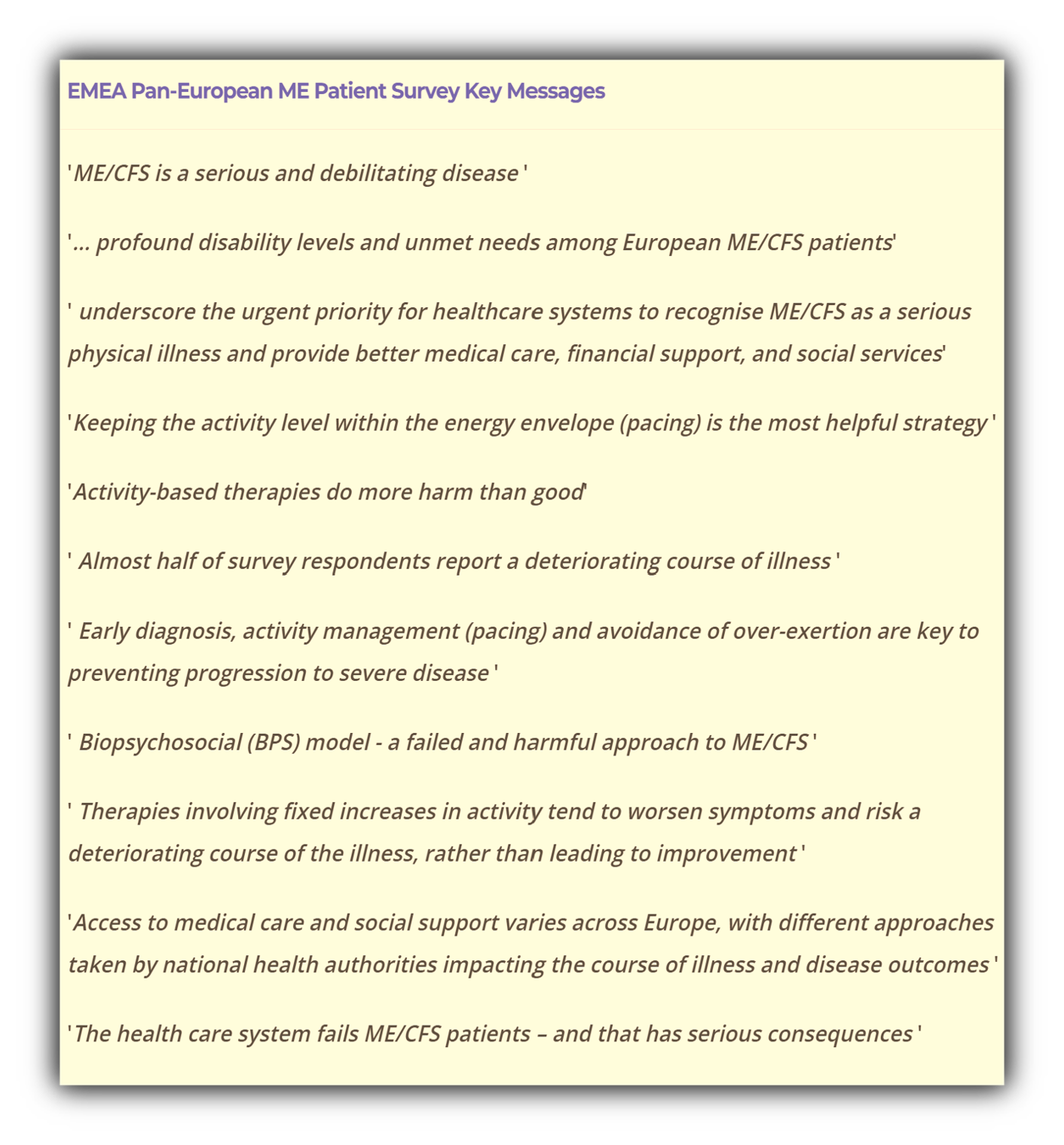
Invest in ME Research has supported biomedical ME research for over 20 years, helping to build capacity at Norwich Research Park. Official bodies have not delivered urgent progress, so IiMER aimed to facilitate the development of the strategy and infrastructure ourselves.
- Funded 5 PhD studentships and 2 post-doctoral fellowships at Quadram Institute/UEA examining gut microbiome, immune function, and metabolic issues
- Developed UK's only clinical trial for ME at Norwich Research Park's Clinical Trials Unit
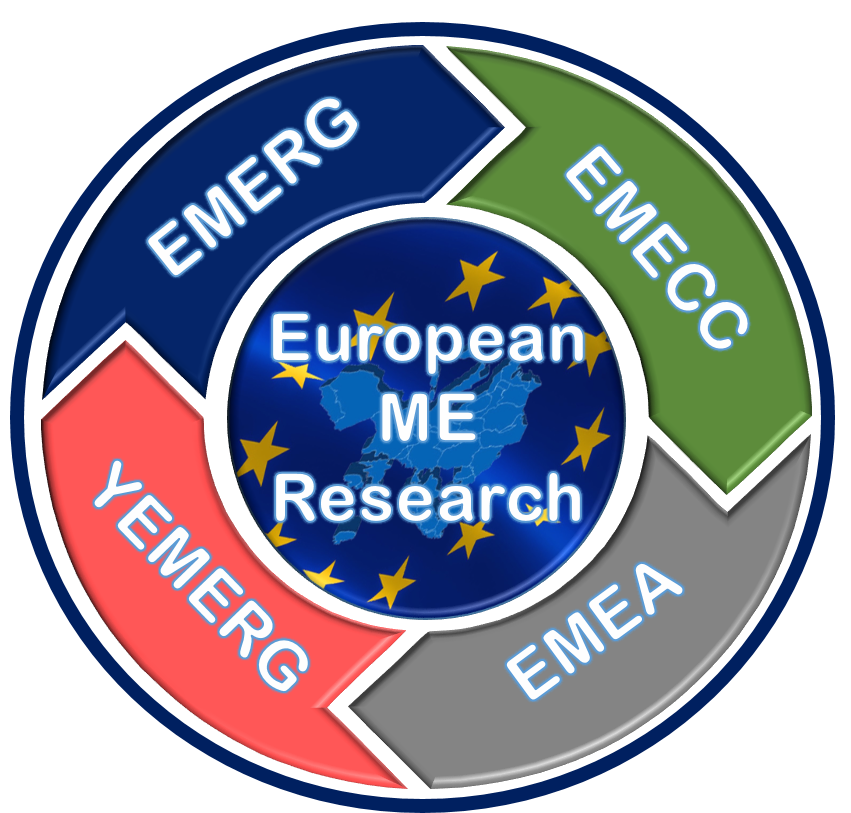
- founded EMERG (European ME Research Group) - network of 40+ researchers across 12 countries sharing data and protocols
- Launched Young EMERG - early-career researcher support with grants and workshops (Vienna 2025, UK 2026)
- Established EMECC (European ME Clinicians Council) - develops clinical guidelines and links research to patient care
- Arranged 18 international ME conferences + 15 research colloquia since 2006 - Europe's leading biomedical ME platform
- Ian Gibson Fellowship - first named post-doctoral fellowship for ME research (Dec 2022)
- In the absence of sufficient official funding the charity and its supporters have raised over £2.3 million over the last years to fund and facilitate high-quality biomedical research focused on a centre of excellence for ME in Norwich Research Park.
- Research conducted within Norwich Research Park - one of Europe’s largest research parks - with immediate access to university hospital, medical school, genomics institute.
- LunaNova Fellowship - second named post-doctoral fellowship for ME research (Dec 2022)
- Funded UK's only clinical trial for ME (RESTORE-ME) at Norwich Clinical Trials Unit
Collaborative Efforts
The charity formed the European ME Research Group (EMERG) to unite researchers across Europe, share data, and accelerate progress on treatments. The charity did this also for clinicians and has initiated Young EMERG - the EMERG group for young and early-career researchers in Europe. These collaborations aimed to overcome barriers to progress and create a more coordinated, strategic approach to ME research.


Policy Recommendations / Actions
Invest in ME Research prioritises strategic national research funding through a dedicated UK Centre of Excellence at Norwich Research Park, rather than piecemeal ad-hoc projects. The charity campaigns for proper education and training of ME specialists nationwide to deliver coordinated clinical care pathways, ending postcode lotteries in diagnosis and treatment.
To end decades of neglect and prevent further harm, governments and research funders must take the following actions.
Fund biomedical ME research at scale
- Commit substantial, ring-fenced, multi-year biomedical ME research funding, at a level comparable to conditions with a similar disease burden.
- Build on existing initiatives such as the Norwich Research Park Centre of Excellence to develop coordinated research infrastructure, clinical trials, and training pathways. Do this rather than reinventing what has already been achieved and started.
- Policymakers must prioritise investment to translate breakthroughs into effective care. The charity has several times proposed investment of £20m per year for five years - sustained funding needed to scale into a full Centre of Excellence in Norwich Research Park.
Commission and educate ME specialists
- Setting up of academic lecturer positions and dedicated ME servists nationwide
- Establish and resource specialist ME services across all regions, with clear referral pathways and consistent standards of care for adults and children.
- Ensure provision for severe and very severe ME, including home-based care, appropriate hospital protocols, and access to essential equipment and support.
Update medical education and professional standards
- - Require accurate, up-to-date teaching on ME in undergraduate curricula, specialist training, and continuing professional development, reflecting current evidence and guidelines.
- - Align licensing, appraisal and service-commissioning standards so that clinicians and services are expected to recognise ME, respect post-exertional malaise, and avoid harmful or inappropriate management.
Protect patients’ rights and welfare
- - End harmful practices in welfare, insurance, and employment systems that disregard post-exertional malaise or pressure patients into unsafe activity or treatment.
- - Ensure child-protection, social care and mental health frameworks cannot be misused against people with ME or their families solely because of the illness, its severity, or disagreement about treatment.
Quick reference
- £25M Centre of Excellence
- Nationwide ME specialist training
- Severe ME home care pathways
- Protect disability benefits
"The Gibson Inquiry into ME in 2006 demonstrated the lack of research into ME. It is important to establish centres of clinical excellence that would provide a thorough clinical assessment of ME patients, provide tests that would address the clinical diagnosis, establish a data base of patients with all their clinical signs and symptoms, identify important clinical deficits and needs with a view to offering effective diagnosis, treatment, and care."

Media Guidelines
Accurate and responsible reporting is essential when covering Myalgic encephalomyelitis (ME).
The media has a significant role in shaping public understanding and influencing policy decisions.
Inaccurate or sensationalised coverage can perpetuate myths, increase stigma, and contribute to unsafe treatment
and harmful policies and stigma for people with ME and their families.
Conversely, accurate and responsible can
combat stigma, shape
public understanding, and influence policy decisions favourably for those affected, thereby helping
people with ME and their families.
Our website provides press releases, commentaries on current issues, position statements, and information about our work. Recordings from our annual conferences show the potential of biomedical research when adequate funding is available.
Dos and Do nots for Reporting
Reporting on ME requires sensitivity and an understanding of the complexities of the illness. Here are some Dos and Do nots to keep in mind when covering ME:
- Do: Acknowledge ME as a serious, debilitating neurological condition that requires appropriate medical attention and support
- Do: Use respectful language and avoid terms that imply blame or character flaws, such as “lazy” or “hypochondriac”. Such terms are not only inaccurate bur purposely harmful - people with ME are human beings after all
- Do: Use respectful language and avoid terms that perpetuate stigma, such as "lazy" or "hypochondriac." people with ME are human beings after all - and you will be seen as lazy yourself in not having researched the disease properly
- Do: Highlight the importance of biomedical research in understanding the causes of ME and developing effective treatments, and note the long‑standing lack of adequate research funding.
- Do: Ask why so little funding for biomedical research has been directed toward the disease. That may bring you a Pulitzer!
- Do not: Suggest ME is "just fatigue" or recoverable by pushing through;
- Do not: Portray as a mental health issue or dismiss it as “all in the mind.”; it is inaccurate and you will just piss people off
- Do not: Use stigmatising terms like "lazy" or "mysterious". This demeans people with ME but also shows yourself as unprofessional, and your journalism as under-researched.
- Do not: Use sensationalised language that may increase stigma, such as “mysterious” or “controversial” without scientific backing - you will forever be seen as an amateur hack
- Do not: Suggest that ME is simply a form of chronic fatigue or a lifestyle problem, or that people with ME can “just push through” their symptoms.
- Do not: Myalgic encephalomyelitis is known as ME. Avoid using CFS as that is meaningless, and ME/CFS is just unnecessarily cumbersome and means little. Use ME - it is easier.
Quick reference
- ✓ Use term "ME"
- ✓ Cite WHO ICD-11 (8E49)
- ✗ No "psychological" framing
- ✓ Highlight £4-7B cost
- ✓ Lack of research funding
"...a very good position to lead a UK and European Centre of Excellence for biomedical research for ME"

With over 3000 scientists at the Norwich Research Park, consisting of 4 world
leading research institutes, a university and a teaching hospital, it is one of Europe’s largest single-site concentrations
of research in Food and Health and Environmental sciences.
Having academic excellence across a range of diverse, but related fields, in one location is a very powerful way to deliver
a step-change in potential outcomes across a number of health issues.
Importantly, the new centre for food and health, due to open at the end of 2017 at the Norwich Research Park, takes
co-location to a new level as it uniquely integrates academic excellence with clinical expertise; by bringing together the
Institute of Food Research with aspects of the University of East Anglia’s medical school and science faculty with the Norfolk and Norwich University Hospitals' gastrointestinal endoscopy facility, working alongside industry.
The new Institute will provide a novel holistic, systematic and integrated approach to deliver faster innovation as well
as helping to inform government policy on a range of gut and diet related issues including M.E.
The development of this new centre, together with the other expertise and facilities located at the Norwich Research Park,
puts it in a very good position to lead a UK and European Centre of Excellence for biomedical research for M.E. to provide
possible prevention and solutions.
Invest in ME Research is a charity run by volunteers - no salaries, no status quo-centric attitudes, and income and effort directed entirely to funding and facilitating biomedical research into myalgic encephalomyelitis.