
RESEARCH
Invest in ME Research has focused on biomedical research into ME since 2007, funding UK projects whilst
facilitating international collaboration through annual biomedical conferences and colloquia since 2006. The charity
established the European ME Research Group (EMERG), European ME Clinicians Council (EMECC), Young EMERG ECR network, and
was a founder member of the European ME Alliance (EMEA).
High-quality biomedical research underpins clinical progress, requiring precise patient cohort selection through
specialist ME diagnosis. The strategic ME fellowships at Norwich Research Park have created dedicated,
salaried ME research capacity, complemented by PhD studentships, medical
student intercalations, and the UK's first crowd-funded ME PhD.
These foundations enable robust clinical trials and position Norwich as the UK/European Centre of Excellence for ME,
integrating world-class Quadram Institute facilities with BBSRC funding, university expertise, and hospital services
to deliver early diagnosis, specialist care pathways, and breakthrough treatments.

A Strategy of Biomedical Research into ME
A Foundation for Research into ME
Invest in ME Research has funded and facilitated a distinctive, portfolio of biomedical projects that focus on mechanisms, diagnostics, and targeted treatments. The charity prioritises strategic, long-term partnerships while also backing innovative pilot studies that would otherwise struggle to be funded.
Quadram Institute / Norwich Research Park
The bulk of research partnership has been with the Quadram Institute and Norwich Research Park, where a growing programme of work is building a coherent picture of infection, immunity, the microbiome, and energy metabolism in ME.
RESTORE-ME Clinical Trial
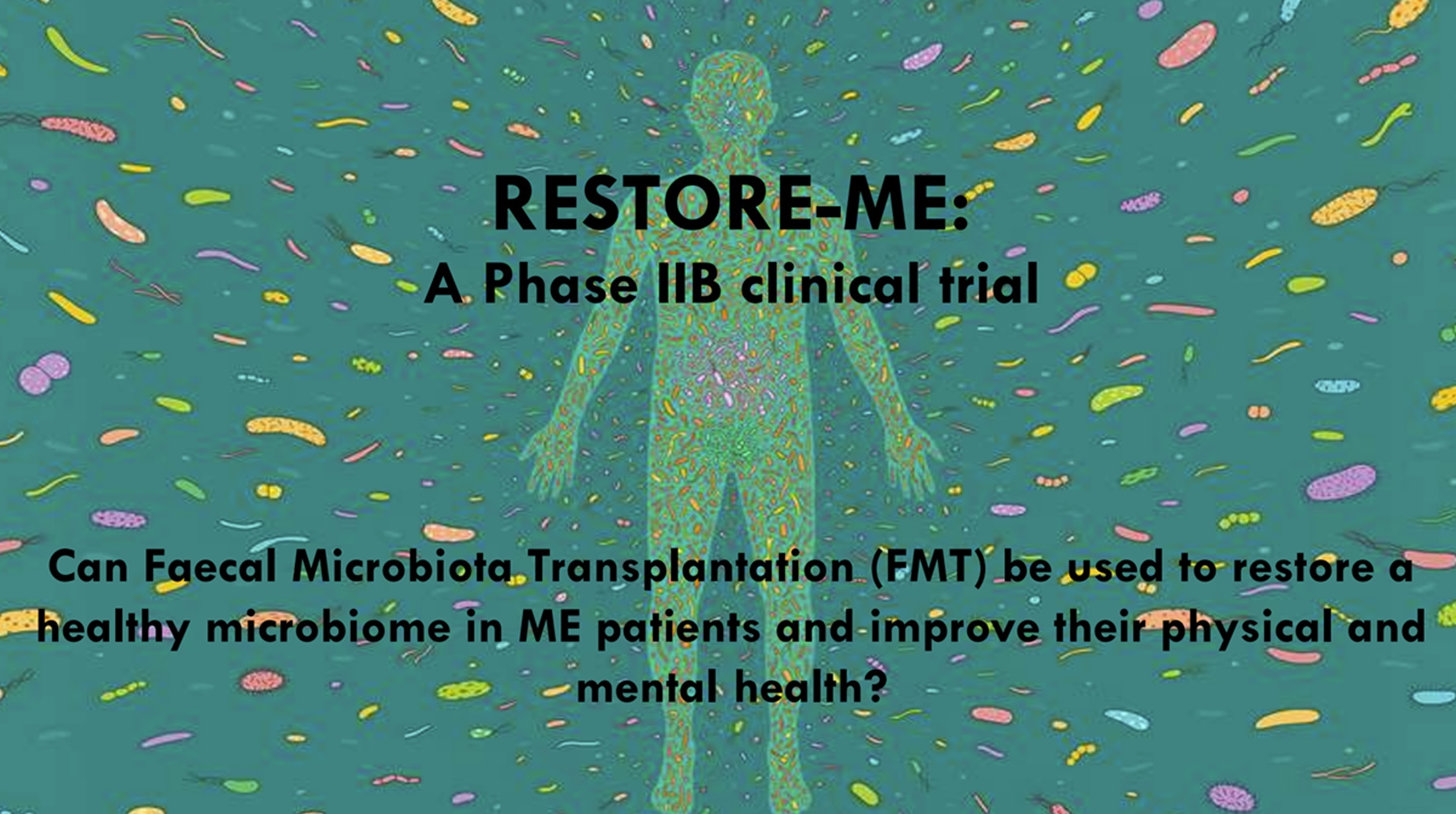
RESTORE-ME is a unique UK active clinical trial specifically for ME, testing microbiota replacement therapy (faecal microbiota transplantation) as a potential treatment. This study aims to determine whether carefully screened gut microbiota can safely improve symptoms and quality of life.
Ian Gibson Fellowship (2022– ) – Dr Katharine Seton
This fellowship investigates how the intestinal microbiome, oxidative stress, and premature immune ageing contribute to ME, using state-of-the-art immunology and microbiome analysis to identify disease mechanisms and possible therapeutic targets.
Luna Nova Fellowship (2023– ) - Dr Krishani Perera
The Luna Nova Fellowship extends this work by examining infections, immune insufficiency, and early immune ageing in ME, with particular emphasis on how repeated or unresolved infections might drive a chronic, relapsing illness state.
PhD Studentships (5 funded)
Invest in ME Research has funded multiple PhD studentships in Norwich and London, covering virology, gut microbiome-based therapies, mitochondrial dysfunction, biomarker discovery, and oxidative stress. Together, these projects have helped to build capacity in ME research and train the next generation of biomedical scientists focused on the disease.
Summer Student Bursaries (ongoing)
The charity has supported short research placements for early-career scientists, enabling projects on viral communities, molecular diagnostics, bioinformatics, and related topics that feed directly into larger ME studies. These bursaries help bring fresh ideas and new skills into the field.
Foundation Project – First Crowd-Funded PhD
The charity’s research programme began with a landmark crowd-funded PhD project launched in 2013 at the University of East Anglia and the then Institute of Food Research (later Quadram Institute). The “Let’s Do It For ME” campaign helped raise £100,000 in just two years to investigate leaky gut, intestinal microbiota, and viral involvement in ME pathophysiology. This foundation project put the microbiome and gut barrier dysfunction firmly on the ME research agenda and demonstrated what a focused patient-led strategy could achieve.
Planned UK Rituximab Clinical Trial (UCL → Norwich)
Invest in ME Research did not simply “support” rituximab replication – the charity initiated and planned a dedicated UK clinical trial of B-cell depletion therapy for ME, originally set up at University College London and later transferred to Norwich. The trial was halted only after the final Norwegian study results showed no clear benefit from rituximab, demonstrating the charity’s support for and commitment to rigorous, science-led decision-making and to protecting patients from ineffective or unnecessary treatments.
European ME Research Group (EMERG)
The charity was instrumental in creating and supporting the European ME Research Group (EMERG), providing seed funding to establish multi-centre collaborations across the UK and other countries. EMERG brings together clinicians and scientists to investigate ME pathogenesis, harmonise protocols, and design the kind of large, coordinated studies needed to understand a complex, multi-system disease.
“Light ME Up” – Photobiomodulation Feasibility Study
Most recently, Invest in ME Research has funded “Light ME Up”, a feasibility study of red-light photobiomodulation to support mitochondrial function in people with ME. This remote trial, led by Ian Gibson Fellow Dr Katharine Seton at the Quadram Institute, is testing whether daily exposure to red light using special lamps for two minutes over two weeks is acceptable, safe, and potentially beneficial for participants. The study is designed to generate high-quality preliminary data to inform future, larger clinical trials.
“COMPASS-ME” – Photobiomodulation Feasibility Study
COMPASS-ME is funded by Invest in ME Research and based at the Quadram Institute. The study analyses mucosal microbial communities - viruses, bacteria, and fungi - in people with and without ME, using sampling methods chosen specifically to minimise burden on participants and ensure the study is accessible to those most severely affected. The study addresses a persistent gap in ME research: no single pathogen has been definitively linked to the condition, and the broader microbial picture has remained poorly characterised. COMPASS-ME is designed to contribute over time to the development of diagnostic tools and to identify biological mechanisms that may be amenable to targeted treatment.
Links
- Policy IiMER Research Policy
- Advice IiMER Advisory Board
- Europe European ME Research
- 2023 - Luna Nova Fellowship
- 2022 - Ian Gibson Fellowship
- 2018 - Summer Student Bursaries
- 2018 - Medical Students Intercalating
Research Projects Funded/Facilitated by Invest in ME Research
1. Quadram Institute/Norwich Research Park (Primary Focus) - RESTORE-ME Clinical Trial : UK's only active ME/CFS clinical trial testing Microbiota Replacement Therapy (fecal transplant) - Ian Gibson Fellowship (2022-): Dr Katharine Seton - intestinal microbiome, oxidative stress, immune ageing in ME - Luna Nova Fellowship (2023-): infections, immune insufficiency, premature immune ageing - 5 PhD Studentships : virology, gut microbiome therapies, mitochondrial dysfunction, biomarkers, oxidative stress - Summer Student Bursaries (annual): viral communities, molecular diagnostics, bioinformatics
2. Foundation Project - First Crowd-Funded PhD (2013) "Role for leaky gut and intestinal microbiota in ME pathophysiology" at UEA/IFR. £100,000 raised via "Let's Do It For ME" campaign in 2 years. Investigated viruses/gut dysbiosis
3. Rituximab Trial Replication Support (2015) IiMER facilitated replication/validation of Norwegian rituximab trials testing B-cell depletion therapy for ME
5. European ME Research Group (EMERG) Projects Seed funding for multi-centre collaborations across UK/Norway/Ireland investigating ME pathogenesis
Light ME Up - Funded feasibility study (2023-) Red light therapy (photobiomodulation) to boost mitochondria in ME patients. Remote trial with 10 participants using special 670nm lamps for 2 minutes daily over 2 weeks. Led by Dr Katharine Seton (Ian Gibson Fellow), Quadram Institute/UEA.
Links
- 2015 - Rituximab Trial Replication
- 2018 - Light ME Up
- 2018 - RESTORE_ME Clinical Trial
- 2013 - Foundation PhD Project (2013)
- 2013 - Research Blog
A UK/European Centre of Excellence for ME
Invest in ME Research (IiMER) has worked since 2011 to create a UK Centre of Excellence for ME at Norwich Research Park, utilising world-class facilities from institutes, a leading university and university hospital – transforming the concept into a real foundation for the future that now requires funding to become fully operational.
The charity's research projects and collaborations have laid strong foundations, creating momentum as a strategic European focal point for coordinated research, clinical care and information.
The Centre would deliver early diagnosis using up to date guidelines, clinical lead oversight, specialist assessments, care packages with family support, home/tele-medical services for severe cases, clinical trials access, GP training, cost savings on referrals, and life-changing benefits for thousands of patients and families.
Links
- 2023 - Decade Developing CofEforME
- 2023 - Centre of Excellence
- 2022 - #InvestinMEresearch - Slogan/Reality
- 2022 - Centre of Excellence Summary

Quadram Institute - Norwich Research Park
The Quadram Institute at Norwich Research Park represents a world-leading hub for ME research, uniquely positioned through its expertise in gut microbiology, immunology, and food-related disease mechanisms. Its state-of-the-art facilities enable comprehensive studies linking intestinal dysbiosis, immune dysfunction, and ME pathophysiology – critical areas neglected by traditional research.
Located alongside the University of East Anglia, Norfolk and Norwich University Hospital, and The Earlham Institute, Quadram benefits from seamless collaboration with clinical services, genomic sequencing, and patient cohorts. BBSRC funding and IiMER partnerships have established it as the UK's primary ME research centre, delivering the only active clinical trial (RESTORE-ME) and sustained fellowship programmes.
This interdisciplinary ecosystem accelerates ME biomarker discovery and therapeutic development, positioning Norwich as the European Centre of Excellence for biomedical ME research with direct patient care pathways.
Links
- 2025 - Target ME
- 2025 - World-class Quadram Institute science features in Parliament
- 2022 - Norwich Research Park
- 2014 - Crowdsourcing for ME research
YEMERG* Early-career workshops - Building the Future
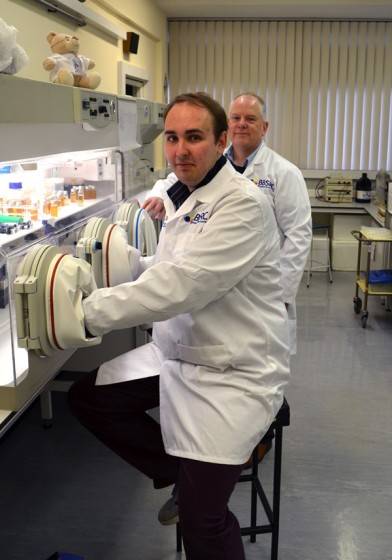
In 2018 Invest in ME Research introduced the “Thinking the Future” workshops to support young and early-career researchers interested in biomedical research into ME. These meetings provided mentoring, networking and collaboration opportunities alongside the main colloquiums and conferences, helping to secure the next generation of ME researchers.
Following the pandemic, the initiative was then developed into Young EMERG, the early-career arm of the European ME Research Group (EMERG), further embedding early-career scientists within a strong international research community.
Links
- 2026 - Latest Young EMERG workshop
- 2022 - Young EMERG
- 2018 - Thinking the Future
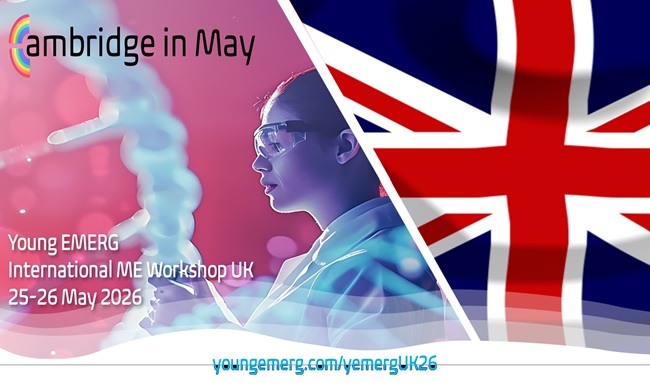
Next Young EMERG workshop
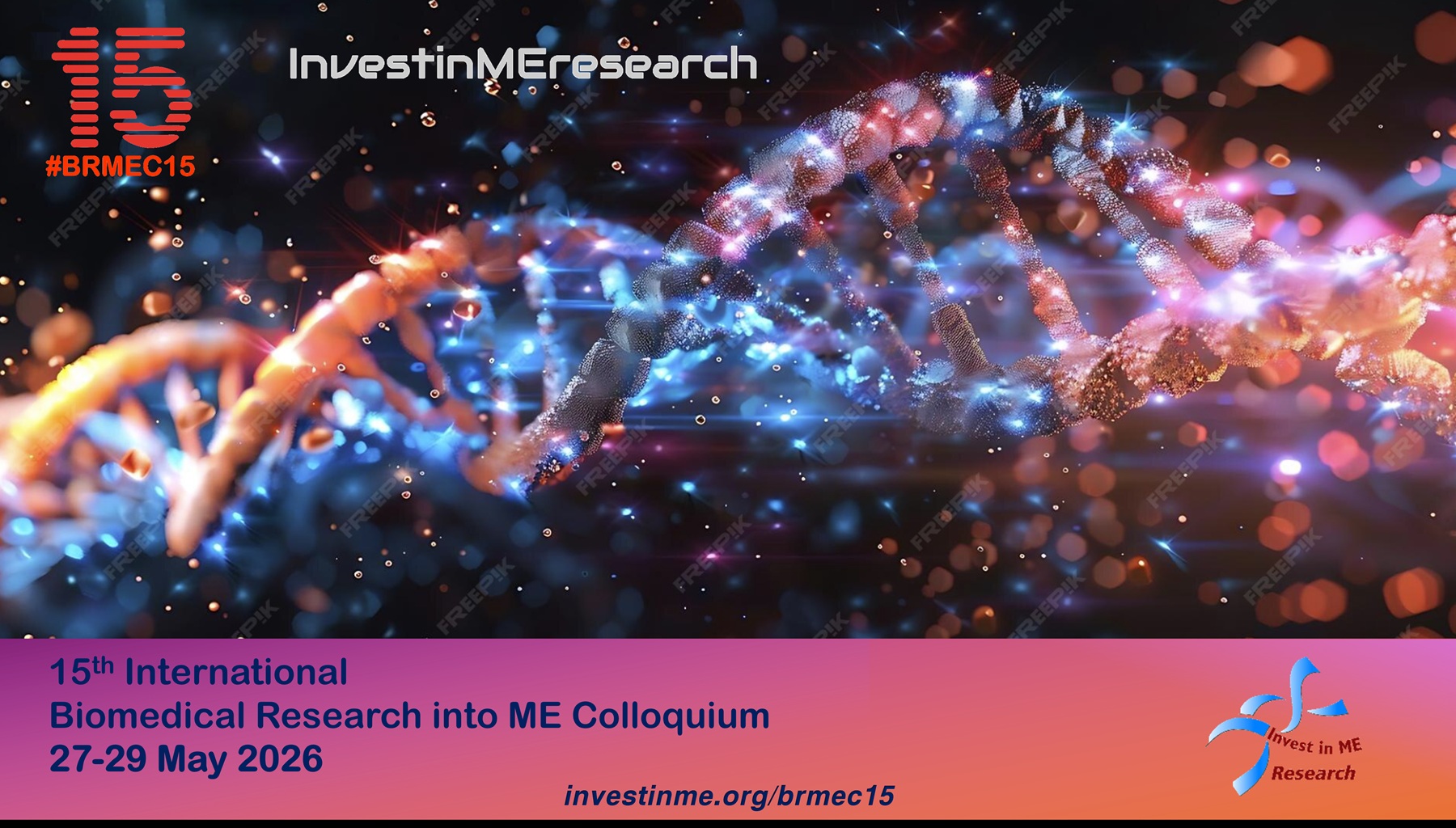
BRMEC* Biomedical research colloquiums
The Biomedical Research into ME Colloquiums (BRMEC) are closed international research meetings established in 2011 to bring together ME researchers from around the world for in-depth, round -table discussion. These CPD-accredited meetings have expanded from exchanging ideas to sharing data, coordinating future studies and building structured international partnerships, including the creation of the European ME Research Group (EMERG) in 2015.
The colloquiums have become a key engine for new multinational projects, helping to shape a coherent long-term strategy for high-quality biomedical research into ME.
Links
- 2026 - Latest Colloquium
- 2013 - All BRMEC* colloquia
Invest in ME Research is a charity run by volunteers - no salaries, no status quo-centric attitudes, and income and effort directed entirely to funding and facilitating biomedical research into myalgic encephalomyelitis.